How to Keep Pets Safe This Summer
Summer is a wonderful time for outdoor fun, and many of us enjoy bringing our pets along for the adventure. Whether you’re firing up the barbecue, heading to the beach, or enjoying a garden game of fetch, it’s important to be aware of the seasonal hazards that can affect dogs and cats.
Here’s what every pet owner should keep in mind this summer.
1. Heatstroke and Overheating
Heatstroke is a serious risk for pets, particularly dogs. Unlike humans, pets can’t cool down as easily, especially brachycephalic (flat-faced) breeds such as Bulldogs, Pugs, and Persian cats.
Watch for signs of heatstroke, including:
- Excessive panting or drooling
- Weakness or collapse
- Vomiting or diarrhoea
- Bright red gums
Prevent heatstroke by:
- Avoiding walks during the hottest part of the day (typically 11 am–3 pm)
- Ensuring constant access to fresh, cool water
- Providing shaded areas when outdoors
- Never leaving pets in parked cars, even for a short time
2. BBQ and Picnic Dangers
A summer BBQ may be irresistible to us – and to curious pets. But many common picnic and barbecue foods can be harmful to dogs and cats.
Foods to keep well out of reach include:
- Corn on the cob – can cause intestinal blockages – we have operated on one just this summer at Kelperland already in a lovely labrador – she’s fine now 😊
- Bones (cooked or raw) – can upset their tummies
- Onions, garlic, and chives – toxic to both dogs and cats
- Alcohol and caffeine – dangerous, even in small amounts
- Chocolate, grapes, and raisins – highly toxic to dogs
Also be cautious with skewers, hot coals, and greasy leftovers, all of which can lead to injuries or digestive upset.
3. Beach Day Risks
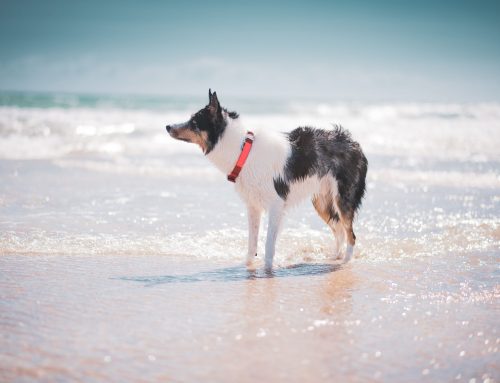
Taking your dog to the beach can be great fun, but be mindful of:
- Hot sand: Can burn paw pads—test with your hand first.
- Saltwater: Drinking it can cause vomiting, diarrhoea, and dehydration.
- Sharp shells or litter: Can injure paws or be accidentally ingested.
- Strong currents: Not all dogs are confident swimmers, and even good swimmers can get into trouble.
Always bring fresh water, provide shade, rinse off after swimming, and keep dogs on leads where required.
4. Playtime & Garden Hazards
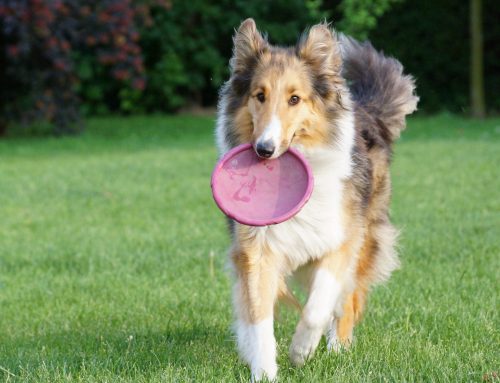
Outdoor games like fetch or garden play can be enjoyable, but be aware of:
- Overexertion in hot weather
- Hard toys or sticks that can cause dental fractures or choking
- Lawn treatments or fertilisers that may be toxic to pets
- Slug pellets and pesticides, which are often fatal if ingested
Cats may be at risk too, particularly from lilies, which are extremely toxic—even a small amount of pollen or water from a vase can cause kidney failure.
5. Parasites and Allergies
Summer is peak season for fleas, ticks, and biting insects. Tick bites can transmit Lyme disease, and fleas can lead to itching and skin infections. Allergies to pollen or insect bites may also flare up.
Prevent problems by:
- Keeping up with routine flea and tick prevention
- Checking your pet for ticks after walks, especially in grassy or wooded areas
- Contacting us if you notice excessive scratching, licking, or red skin
6. Sunburn and Skin Damage
Light-coated or hairless breeds (such as white cats or staffies) can suffer from sunburn, especially on ears and noses. Use a pet-safe sunscreen and keep vulnerable pets indoors during peak UV hours.
Final Thoughts
Summer offers lots of opportunities to enjoy time with our pets, but it also brings certain risks. With a few precautions and a watchful eye, you can ensure your dog or cat stays happy and healthy through the warmer months.
If you have any concerns about your pet’s health this summer—or want to check they’re protected from parasites and heat-related illness—please contact the practice for advice or to book a seasonal health check.
New family member? Take a look at our Puppy & Kitten Info Sheets.
You can even download them and pass them on to friends and family.