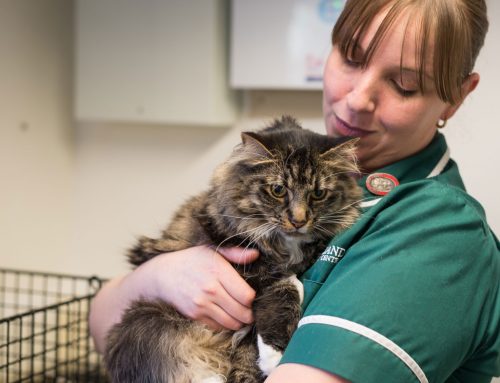
With advice from Dr Rosie Skinner, our resident dermatology guru
If your pet is constantly scratching, chewing their paws, or sporting suspicious bald patches, they’re not alone. Skin allergies are one of the most common reasons pets visit the vet—especially during spring and summer.
Our vet here at Kelperland, Dr Rosie Skinner, has a certificate in veterinary dermatology, which means she has passed significant post graduate exams on the subject. Here she shares her expert insights on how to spot, manage, and treat itchy pets to keep them comfortable year-round.
What Are Skin Allergies—and Why Do They Happen?
Skin allergies, or atopic dermatitis, are an overreaction of the immune system to otherwise harmless substances like pollen, dust mites, mould, or certain foods.
Your pet’s skin becomes inflamed, itchy, and often vulnerable to infection. Common causes include:
- Environmental allergens – grass, pollen, dust, mould
- Food allergies – proteins like chicken, beef, dairy
- Flea allergy dermatitis – a reaction to flea saliva
- Contact irritants – shampoos, cleaning products, certain grasses
Some breeds—like Westies, Bulldogs, Frenchies, Retrievers, and Siamese cats—are more prone to allergic skin disease. But any dog or cat can develop allergies, even later in life.
Telltale Signs of an Allergic Pet
Here’s what to watch for:
- Excessive licking, scratching or chewing, especially paws, ears, and groin
- Red, inflamed skin or rashes
- Hair loss or patchy fur
- Scabs, sores or hot spots
- Frequent ear infections or head shaking
- Unpleasant skin odour
If this sounds familiar, it’s time for a visit. The earlier we intervene, the easier it is to manage—and the happier your pet will be.
How We Diagnose Skin Allergies at Kelperland
We often start with:
- Thorough history taking – it’s surprising how important this is!
- Skin exam – including a check for fleas, mites or infections.
- Skin scrapings or cytology – this involves taking a little sample of your pet’s skin and looking at it down a microscope to rule out bacterial or yeast infections.
- Flea control check – even a single bite can trigger intense reactions.
- Food elimination trial – a special diet trial over 6–8 weeks.
- Allergy testing – sometimes recommended for longer-term cases, especially if immunotherapy is being considered.
There’s no “one size fits all,” but with the right detective work, we can uncover the cause—and build a personalised treatment plan.
Treatment Options for Itchy Pets
Depending on the diagnosis, we may recommend:
✅ Regular Flea Control
First and foremost! Even if fleas aren’t visible, their bites can spark weeks of itching. We recommend a vet-prescribed flea treatment for both dogs and cats—many over-the-counter ones simply aren’t effective enough. There are other considerations though – see our posts about our GREEN pet club which advocated every other month anti-flea treatment to minimise environmental impact.
✅ Medicated Shampoos and Topicals
These can soothe inflamed skin and reduce secondary infections. Products with chlorhexidine or miconazole are often used for yeast or bacterial flare-ups.
✅ Prescription Anti-Itch Medications
Modern options like Apoquel, Cytopoint, or Atopica can relieve itching without traditional steroids. They’re especially helpful in chronic allergy cases.
✅ Dietary Changes
Food allergies are typically managed with a novel protein (like venison or duck) or hydrolysed diets, which reduce the immune system’s overreaction.
✅ Fatty Acid Supplements
Omega-3s (like fish oils) help repair the skin barrier and reduce inflammation—great as an add-on for itchy pets.
✅ Allergen-Specific Immunotherapy
If your pet’s allergies are seasonal or triggered by environmental factors, desensitisation therapy (like allergy shots or oral drops) may be an option. It takes commitment, but it can dramatically improve long-term comfort.
Home Tips to Help Your Allergic Pet
- Wipe paws and coats after walks to remove pollen.
- Wash bedding weekly with a hypoallergenic detergent.
- Use a vacuum with a HEPA filter to reduce allergens indoors.
- Keep a diary of flare-ups—when they start, what your pet ate, or changes in the environment.
- Stick to routine flea control year-round, even in winter.
When to See the Vet
If your pet has been itchy for more than a few days or you notice recurring infections, it’s time for a check-up. Allergies rarely go away on their own—but with the right plan, they can be managed effectively.
At Kelperland, Rosie and our nursing team are here to help guide you through every step—from first signs to long-term comfort. We also see cases from other vets – your regular vet can refer you to Rosie here if you wish, just ask them to get in touch with us 😊
Got an itchy pet? Book a consultation with Rosie or one of our team today. The sooner we act, the sooner your pet (and you!) can rest easy.
New family member? Take a look at our Puppy & Kitten Info Sheets.
You can even download them and pass them on to friends and family.